
Key point in one sentence: Bed bugs in public housing, tong lau and subdivided flats aren’t one household’s problem — they crawl in from next door and spread along corridors, so spraying one flat alone rarely ends it; to save yourself, start by recording evidence, notifying management and neighbours, and getting the whole building to act together.
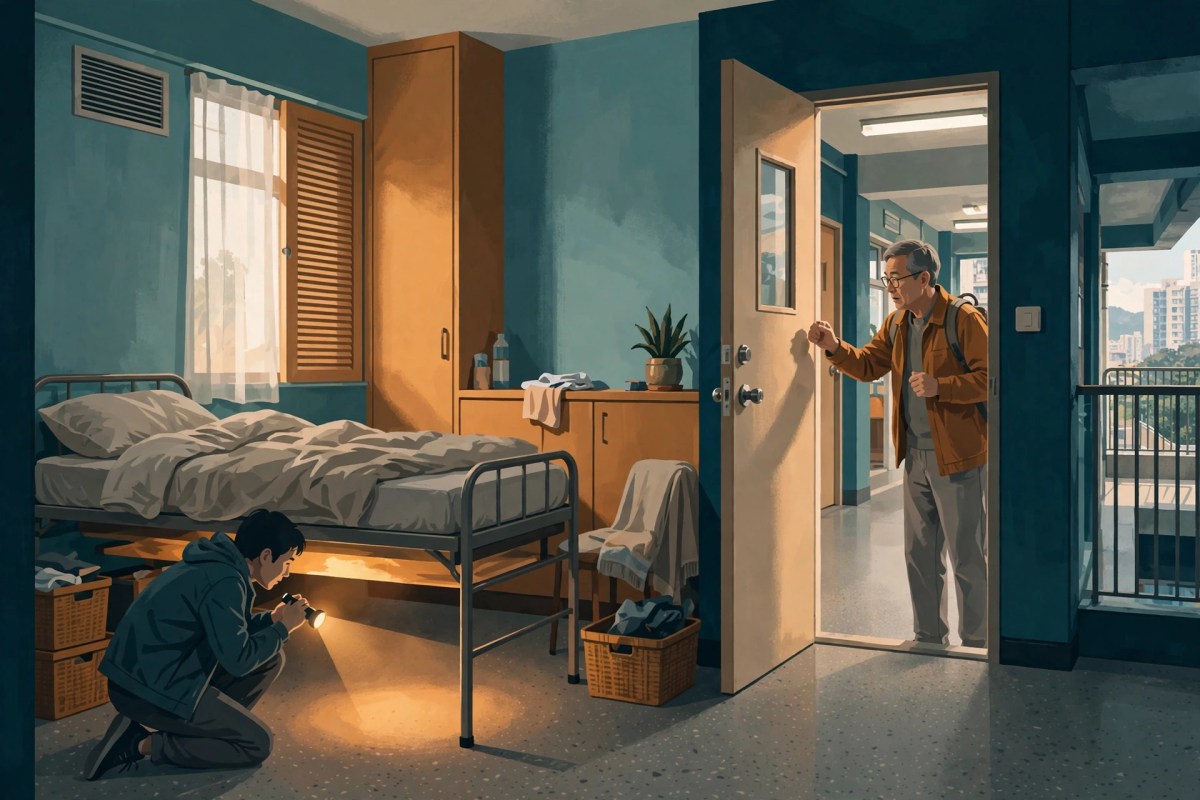
If you live in public housing, a tong lau or a subdivided flat and find bed bugs (also called stink bugs or wood lice) at home, your first reaction is usually: buy a can of insecticide and spray it yourself. But these buildings have a harsh reality — once your flat is clear, the bed bugs from next door will crawl back in tomorrow.
We have previously reported on building-wide infestations in public housing and tong lau, and on the FEHD’s bed bug prevention advice. This article isn’t a repeat of the news — it turns that information into a survival guide you can actually use.
Why Are Public Housing and Tong Lau Especially High Risk?
- Small flats, dense living: bed bugs have plenty of hiding places, a blood supply close by, and breed fast
- Wall cracks and pipes are highways: bed bugs travel from flat to flat through gaps in walls, water pipes and cable conduits, and old buildings have even more gaps
- If one flat doesn’t act, the whole floor suffers: however thoroughly you exterminate, it’s useless if the source is next door — they’ll come back
- Subdivided cubicle rooms: wooden partition walls have countless gaps — practically a bed bug paradise
So the conclusion is clear: living in this kind of building, bed bug control has to be thought of at the “whole building” level — dealing with your own flat alone isn’t enough.
Save Yourself: Get Your Own Flat Right First
While you wait for the building to act, your own flat still needs dealing with. Here’s the condensed version (for the full version, see our DIY Bed Bug Removal in Hong Kong: A 6-Step Guide):
- Confirm it first: check mattress seams and bed frames with a torch, and only act once you’ve found two or more signs (if you’re not sure, compare against our Bed Bug Photo Identification Guide)
- Isolate and heat: put infested bedding and clothes in sealed bags, wash in 60°C hot water and tumble-dry on high heat (FEHD guidance)
- Vacuum and steam: do it every week for several weeks (bed bug eggs hatch in about a week, according to CHP information)
- Don’t spray insecticide at random: it will drive the bed bugs into the neighbouring flat — hurting others and yourself
- Seal the gaps: use caulk to seal wall cracks and pipe edges, reducing the routes they use to come and go (the FEHD also recommends sealing gaps)
How to Get the Whole Building to Act Together
This is the step that decides success or failure. Practical ways to do it:
- Talk to your neighbours: don’t be embarrassed — bed bugs aren’t a hygiene problem, and they often spread through the building. Ask the flats above, below and beside you whether they’ve had similar problems (bites, black spots) — there’s strength in numbers
- Go to the management office or the owners’ corporation: raise it in writing (keep a record) and ask them to arrange an inspection and coordinated treatment for the whole floor or building. The corporation is responsible for dealing with bed bugs in common areas
- Public housing tenants: report to the estate office or the Housing Department and ask them to follow up. Keep a record of the date and reply for every report you make
- Tong lau without an owners’ corporation: contact your District Council member’s office for help — they have experience coordinating building hygiene issues like this
- FEHD: call 2868 0000 for enquiries — they have bed bug prevention guidelines and can take complaints about infestations in public places
Remember: written beats spoken. Keep a written record of every report (email, letter, message screenshots) so follow-up has teeth.
FEHD Bed Bug Advice, Condensed into a Daily Routine for Residents
The FEHD has previously promoted key bed bug prevention points. Here’s the condensed version for daily life:
- Keep your home dry and reduce clutter
- Vacuum mattresses and sofas regularly
- Don’t bring second-hand furniture home (especially mattresses)
- Deal with your luggage and clothes immediately when you return from travelling
- Act as soon as you spot signs — don’t delay (the longer you wait, the wider it spreads and the more it costs)
One Sentence to Sum Up
Bed bug control in public housing and tong lau = getting your own flat right (50 points) + getting the building to act together (50 points). Do only half, and the infestation will keep coming back in an endless loop. Go and say the first word to your neighbour today.
Further Reading
- How Do Bed Bugs Get Into Your Home? 6 Entry Routes in Hong Kong — understand how bed bugs spread through buildings
- DIY Bed Bug Removal in Hong Kong: A 6-Step Guide — detailed steps for saving your own flat
Sources
- Food and Environmental Hygiene Department, “Guidelines on the Prevention and Control of Bed Bugs in Domestic Premises” (PDF): https://www.fehd.gov.hk/tc_chi/pestcontrol/library/pdf_pest_control/bedbugs(text).pdf
- Centre for Health Protection, “Bed Bugs (commonly known as bed bugs or wood lice)”: https://www.chp.gov.hk/tc/healthtopics/content/460/107441.html
- FEHD pest control enquiry hotline: 2868 0000
Further reading: Can’t afford a company? See Can’t Afford Bed Bug Treatment? Free and Subsidised Bed Bug Help in Hong Kong — volunteers and charities can help.