
Key point in one sentence: Bed bugs don’t come because your home is dirty — they hitch a ride in: travel luggage, second-hand furniture, delivery boxes, neighbouring flats, hotels and public transport are the six routes; block the entrances and you won’t need to exterminate.

Many people think a clean home can’t have bed bugs (also called stink bugs or wood lice). Wrong. Bed bugs don’t come because a place is dirty — they are carried in by people and objects. Only by knowing how they get in can you keep them out.
The 6 routes below are all specific to Hong Kong living conditions, each with concrete prevention steps.
1. Delivery Boxes and Online Shopping Packaging
Why it’s high risk: Parcels from Taobao, Pinduoduo and other online shops pass through warehouses and multiple rounds of transport, and the gaps inside corrugated cardboard are ideal hiding places for bed bugs. Hongkongers shop online so often that boxes enter the home far more often than you’d think.
What to do:
- Open boxes at the door or in the corridor and throw them away right away — don’t carry them into the bedroom, and definitely don’t leave them by the bed overnight
- Check everything you take out of the box; wash clothes straight away
- Don’t store cardboard at home — take it to recycling as soon as you have any
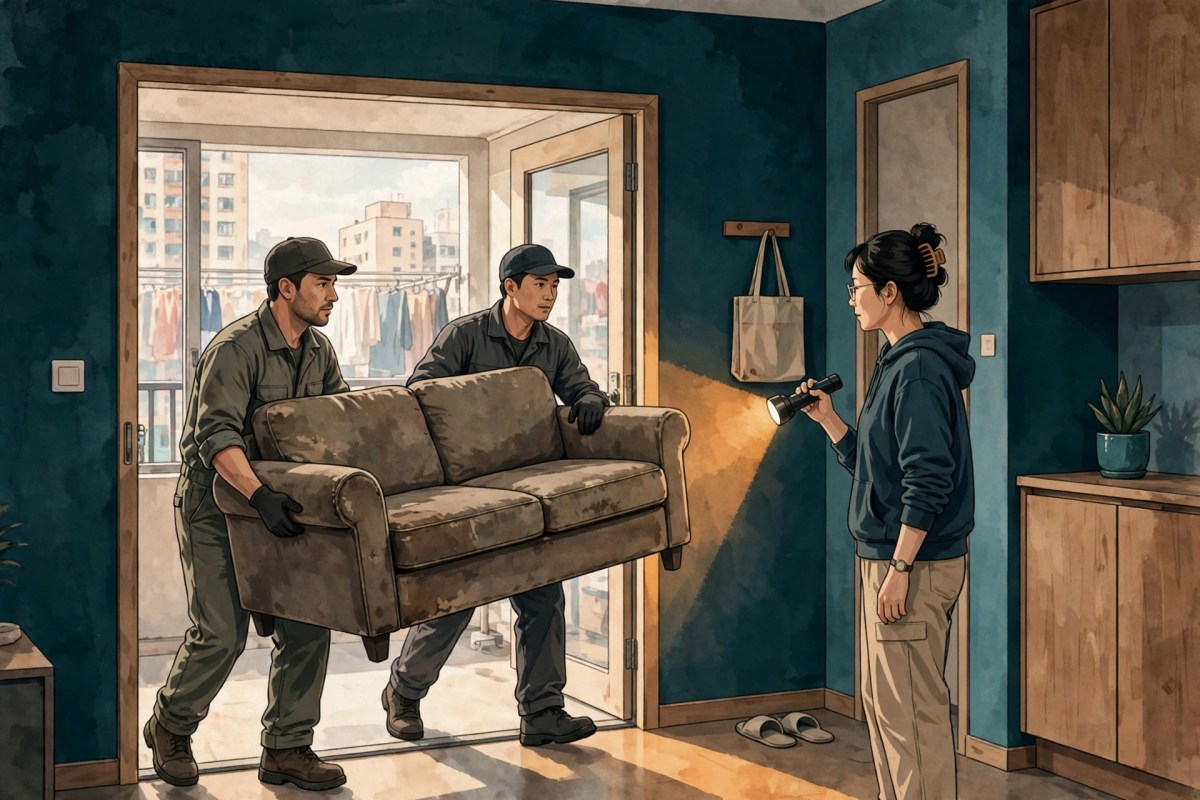
2. Second-Hand Furniture and Street Finds
Why it’s high risk: According to the Food and Environmental Hygiene Department (FEHD), you should avoid using second-hand furniture — because you don’t know whether the previous owner had bed bugs. Mattresses, sofas and wooden bed frames are the highest risk: bed bugs hide in seams and joints where the naked eye can hardly spot them. “Free” items left on the street are even worse — very often they were thrown out precisely because they had bed bugs.
What to do:
- Before buying second-hand furniture, inspect the seams, gaps and joints thoroughly with a torch
- If in doubt, heat-treat it first (steam the gaps) and only move it into the bedroom once you’re sure it’s clear
- Buy mattresses new whenever you can — second-hand mattresses carry the highest risk and aren’t worth the saving
3. Domestic Helpers’ Dormitories
Why it’s high risk: Domestic helpers’ dormitories usually house many people in one room, with beds packed close together, so bed bugs spread easily from person to person via mattresses and luggage. When a helper comes back from a day off, her luggage can carry bed bugs back to the employer’s home.
What to do:
- Talk to your helper and teach her to recognise the signs of bed bugs (bite marks, blood spots on sheets, black spots)
- Check her luggage when she comes back, and wash clothes in 60°C hot water
- Suggest the dormitory checks beds regularly and deals with any problem immediately instead of waiting for it to spread
4. Hospital and Care Home Visits
Why it’s high risk: Hospitals and care homes have heavy foot traffic and fast bed turnover, making them high-risk places for bed bug spread. A chair you sat on or a bag you put down while visiting could carry bed bugs home.
What to do:
- During a visit, don’t put your bag on a hospital bed or an upholstered chair — keep it on a hard surface or hang it up
- When you get home, change and wash your clothes straight away (60°C hot water) and vacuum your bag
- Don’t throw the clothes you wore visiting straight onto the bed
5. Brought Home from Travel Hotels
Why it’s high risk: According to the Centre for Health Protection (CHP), travellers should be especially careful — hotel mattresses and headboards are common bed bug hiding places, and if your luggage sits on the carpet or beside the bed, bed bugs will crawl in and follow you back to Hong Kong. Bed bug problems have appeared in Japan, Korea and elsewhere in recent years, so the risk of travelling can’t be ignored.
What to do (based on CHP advice):
- Before you go: Use a hard-shell suitcase and pack clothes in sealed plastic bags
- When you check in: Check the mattress folds and headboard for black spots or blood stains first; put your luggage on the luggage rack or in the bathroom (hard floor), not on the carpet or the bed
- When you get back to Hong Kong: Don’t carry your luggage straight into the bedroom — check it at the door; wash clothes immediately in 60°C hot water and tumble-dry on high heat; steam or vacuum the suitcase
6. Spreading from Neighbours Through Wall Cracks and Pipes
Why it’s high risk: Hong Kong’s buildings are densely packed, and in subdivided flats, public housing and tong lau, the walls between units are thin — bed bugs can crawl from one flat to another through wall cracks, pipes and cable conduits. If the flat next door has bed bugs and doesn’t deal with them, it’s very hard for your flat to stay clear on its own.
What to do:
- If you find bed bugs, tell the owner, the management office or the building — only treating the whole floor together can end it; dealing with your own flat alone isn’t enough
- Seal wall cracks, pipe edges and the areas around power sockets with caulk (the FEHD advises that sealing gaps is effective prevention)
- Public housing tenants can report to the Housing Department or the estate management office; tong lau residents can contact the owners’ corporation
- If you suspect the bugs came from a neighbour, keep evidence (photos, records) and raise it with management in writing
Remember: Prevention Is Cheaper Than Extermination
The 6 routes above all come down to one thing: don’t let bed bugs hitch a ride into your home. Throw boxes away immediately, treat second-hand furniture before bringing it in if you have any doubt, follow the three travel steps (before / during / after), and get the whole building to act together on building-wide problems.
Already seeing signs? Read our DIY Bed Bug Removal Guide and Bed Bug Photo Identification Guide — confirm it first, then act. For tools, see the DIY Bed Bug Toolkit Shopping List.
Sources
- Food and Environmental Hygiene Department, “Guidelines on the Prevention and Control of Bed Bugs in Domestic Premises” (PDF): https://www.fehd.gov.hk/tc_chi/pestcontrol/library/pdf_pest_control/bedbugs(text).pdf
- Centre for Health Protection, “Bed Bugs (commonly known as bed bugs or wood lice)”: https://www.chp.gov.hk/tc/healthtopics/content/460/107441.html
- Rentokil Hong Kong, “Signs of Bed Bugs”: https://www.rentokil.com/hk/blog/signs-of-infestation/signs-of-bed-bugs