
The one-line takeaway: DE powder (food-grade diatomaceous earth) kills bed bugs physically — its sharp fossil fragments scratch through their waxy shells so they dehydrate. Dust it thinly into bed frames, mattress edges and furniture cracks, isolate the bed, and hold the line for 3–4 weeks.
DE powder (diatomaceous earth) is one of the most popular DIY bed bug tools — our DIY bed bug toolkit shopping list ranks it as a core item: it is cheap, has no chemical toxicity, and bed bugs cannot build resistance to it. Yet many people try it and conclude it “doesn’t work” — usually the powder is fine and the method is wrong: applied too thickly, in the wrong places, or wiped away right after application. This guide walks you through the correct method step by step: inspect, prepare, lay the dust lines, isolate the bed, and maintain — follow it and the powder does what it is supposed to do.

First, understand: how does DE powder kill bed bugs?
DE powder is ground from the fossilised remains of ancient diatoms. Under a microscope it is countless sharp-edged fragments of diatom shells. When a bed bug walks across the dust, the fragments scratch the waxy layer on its shell, its body moisture escapes, and it dies of dehydration. This is a physical kill, not a poison — which is why bed bugs can never develop resistance to it.
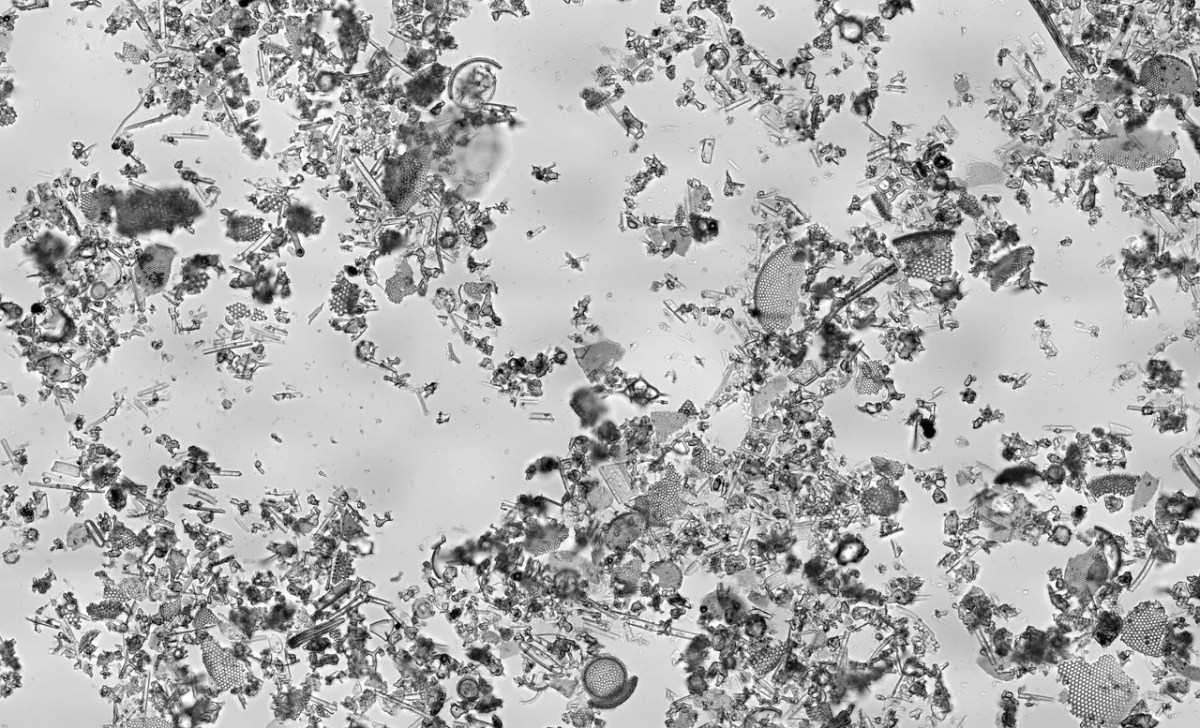
Because it works physically, go in with three expectations: ① it is not instant — after contact, a bed bug typically takes a few days to dehydrate and die; ② it does not kill eggs — eggs are protected by their shells, so the dust line has to stay in place until they hatch and the nymphs cross it; ③ moisture disables it — once the powder gets damp and clumps, it loses its abrasive effect, so it must stay dry.
Before you apply: three principles
- Thin works: a whisper-thin layer, just enough to see white, is all you need. Pile it up and bed bugs simply walk around it — you have built them a safe detour.
- Food grade only: check the label says “Food Grade” diatomaceous earth. Pool-filter grade has been heat-treated (calcined), is chemically different, and must never be used for pest control.
- Cracks are the battlefield: DE does not belong in open, visible areas. It goes into the cracks and edges bed bugs must travel through, so they walk across it themselves.
What you need
- Food-grade DE powder
- A powder duster (puffer bottle) or a dry paintbrush — for sweeping thin layers into cracks
- Mask and gloves
- Torch / flashlight
- Vacuum cleaner and rubbish bags
- 360° fully enclosing mattress encasement (recommended)
- Packing tape / filler caulk (for sealing cracks)
Step 1: Inspect — find where they hide
Do not start dusting the whole home blind. Take a torch and lift the mattress slowly and quietly (sudden movement scatters them): mattress seams, piping, folds and button points; the underside of the bed base and the joints of the frame and headboard; bedside cabinets and dressing tables — turn them over and check the undersides; sofa seams and skirt hems; carpet edges, skirting boards and cracks in wooden furniture. Look for live bugs, pale-brown nymphs, shed skins, and tiny black faecal spots — wherever you find signs is where the dust goes. Wood and fabric are bed bugs’ favourite harbourages, so check them more carefully than metal or plastic.

Step 2: Clear and prepare
- Hot wash: sheets, bedding, pillowcases and affected clothing go through a wash at 60°C or above, then a hot tumble dry. Seal the clean items in plastic bags so they never touch untreated things again.
- Vacuum: vacuum the whole room, concentrating on mattress seams, frame joints, under furniture and carpet edges — this removes some adults and eggs. Immediately empty the dust into a bag, seal it, and take it outside, so nothing crawls back out of the machine.
- Seal cracks: glue down loose wallpaper and fill cracks in walls and furniture with caulk, so bed bugs have fewer daytime hiding places.
- Declutter: clear everything from around the bed. Fewer hiding places means a stronger dust line.
Step 3: Lay the dust lines (the core step)
Mask and gloves on. Using the duster or a dry brush, sweep DE thinly into the places below — “barely visible” is the right amount:
- Bed frame: take apart every joint you can, dust the mating surfaces, screw holes and board gaps thinly, then reassemble. Treat the back of the headboard and its crevices the same way.
- Mattress: a thin line along the edges, seams and folds is enough — never coat the sleeping surface thickly (the side you lie on should not carry a layer of powder). Then zip it into the 360° encasement: bugs inside are trapped to die, bugs outside cannot get in. You can also dust a little DE inside the encasement before sealing it.
- Furniture: dust the seams of bedside cabinets, wardrobes and sofas, drawer undersides, and around furniture feet.
- Walls and floor: run a fine line along skirting boards, carpet edges, door frames, and the dark corners behind the bed and furniture.
- Around sockets: bed bugs travel between rooms through sockets and cable conduits. You may dust a little around the faceplate, but powder must never go inside the socket itself — if you are not sure, skip this step.
Step 4: Isolate the bed
With the dust lines down, turn the bed into an island: pull it slightly away from the wall so it touches nothing; keep sheets and duvet corners from trailing on the floor; fit interceptor cups under the legs, or dust a ring of powder around each leg. Now any bed bug that wants a blood meal at night has to cross your dust line first — this step decides whether the whole method succeeds.
Step 5: Wait and maintain (at least 3–4 weeks)
- Keep the dust lines dry: never mop over them with a wet mop.
- Inspect mattress seams and the frame once a week to check live bugs are declining.
- After vacuuming, re-dust any spot the vacuum cleared.
- Maintain for at least 3–4 weeks, so eggs (hatching in about 1–2 weeks in warm conditions) produce nymphs that cross the dust and complete the cycle. Do not quit after two or three days because nothing seems to have happened.
- Heat pairs well with it: steam or heat treatment kills on contact, while DE stands guard in the cracks as the long-term barrier — different jobs, best combined (see 7 ways to kill bed bugs).
How often should you replace the powder? Fresh dust every 1–2 weeks works best
Replace the dust with a fresh layer every 1–2 weeks for the best results. The powder itself does not expire, but once applied it gradually picks up household dust, absorbs moisture, and gets kicked around by foot traffic, so its abrasive effect keeps dropping. Clearing the old dust away and re-applying fresh powder keeps the barrier at full strength. Replacing it is simple: vacuum or sweep away the old dust → vacuum clean → re-apply a thin layer along the original lines.
- Standard rhythm: during treatment (the first 3–4 weeks), replace the whole application every 1–2 weeks — do not wait until it is dirty and clumped.
- Damp means replace now, not at the deadline: once powder clumps from moisture it has stopped working. Clear it, dry the spot, and re-apply. In Hong Kong’s humid weather — especially the humid spring season — check more often.
- High-traffic spots (bed legs, doorways, skirting lines) wear out fastest: check them after about a week and replace or top up early if the line has thinned or scattered.
- Undisturbed spots (frame joints, under furniture, inside skirting cracks) can stay longer, but inspect them at every replacement round and swap out any dust that has collected dirt or clumped.
- After clearance: once you have confirmed the bed bugs are gone, clear the visible powder away and leave just a little inside cracks as long-term prevention.
Safety notes
- Always wear a mask while applying or sweeping up: food-grade DE is low-toxicity, but it is still a fine dust that irritates airways when inhaled. Let the dust settle fully before children or pets use the room.
- Keep it away from food-preparation surfaces, food, and pet bowls.
- Never mix it with water to spray: DE only works dry — wet powder just clumps and is wasted.
Common mistakes (avoid these or the work is wasted)
- Piling up little mountains of powder — bed bugs just walk around them
- Dusting only the bed and ignoring the sofa, cabinets and walls — they relocate and keep breeding
- Mopping it all away the next day — the barrier drops to zero instantly
- Using pool-grade DE by mistake
- Stopping after three days with “no result” — the eggs have not even hatched; far too early to quit
When should you call a professional?
If you have followed every step properly for 3–4 weeks with no improvement, or the infestation has spread beyond one room into the sofa and living room, do not keep struggling alone — the longer it drags on, the larger the population grows. Start with our Hong Kong pest control directory to compare prices and service coverage before you decide.